Healthy Diet
Myth: In order to be fit you have to eat a specific way. Fact: There is no such thing as “the right way to eat”. Your body responds to the foods you eat in different ways and the best way to address your health is to learn what foods are healthy for you.
You probably already know that good eating habits is the key to good health, and that eating whole foods, fruits, vegetables and drinking plenty of water helps you to maintain a healthy diet. You can simply choose the healthy foods that you know work best for you and make them a staple in your diet. In the end, eating healthy should be fun and something that can be maintained throughout your life.

Apr 27th, 2026 - Key Takeaways Meat is a good source of several important nutrients and may support overall health when eaten regularly. However, some types of meat may increase the risk of some health conditions if eaten too often. What Eating Meat Regularly Does to Your Body In addition to protein, meat is high in a variety of micronutrients that your body needs for different functions. Eating meat regularly may lead to some beneficial effects. Your muscles may get stronger. Meat is a complete protein, which ... [Read More]
Source: verywellhealth.com

Apr 27th, 2026 - This Magnesium-Rich Vegetable Could Help With Stress Relief Plus, nine more foods that are packed with health benefits. By Medically reviewed by Stefani Sassos, M.S., R.D.N., NASM-CPT Nutrition & Fitness Lab Director luchezar // We've been independently researching and testing products for over 120 years. If you buy through our links, we may earn a commission. Learn more about our review process. 5 min read What if better sleep and lower stress were already sitting on your plate? Magnesium is ... [Read More]
Source: goodhousekeeping.com

Apr 27th, 2026 - Experts explain why looking beyond protein to omega-3 supplements might just supercharge your workout and help you recover faster. You've probably seen omega-3s on the shelves of nearly every supplement aisle around. But despite its ubiquity, the nutrient's benefits are still not widely known among the health-conscious—at least, not compared to those of protein . Yet, omega-3 can play a crucial role in everything from enhancing recovery and endurance to sharpening mental clarity. ... [Read More]
Source: gq.com
Apr 27th, 2026 - This week, we're talking all about nutrition, from an herb that helps lower blood pressure to beneficial food pairings and the best time of day to eat certain nutrients. Learn what's worth giving a try and what's best left alone. 1. Try oregano to lower your blood pressure 🌿 Oregano is an interesting herb that's easy to add to many dishes for a flavor boost, and it also might help your heart . Some research suggests that the powerful antioxidants in oregano may support healthy blood ... [Read More]
Source: verywellhealth.com

Apr 27th, 2026 - Of course, I already knew protein powder was an easy hack to boost my intake, and the one I use delivers about 28 grams of protein per scoop. Protein bars, which seem to come in endless varieties, also seemed like helpful boosts. However, I was personally wary of relying too heavily on to achieve my gym gains. While protein products have more dietary benefits than a bag of chips, it didn't make sense to prioritize my health in one way while depriving myself of more nutritious ... [Read More]
Source: insider.com
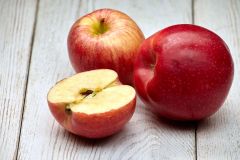
Apr 27th, 2026 - Key Takeaways Apples are among the most popular fruits due to their flavor and health benefits. Research suggests that apples may improve overall health and help prevent many chronic conditions, including heart disease and diabetes. 1. Your Cells Are Protected Against Damage Apples are rich in antioxidants, substances that help protect cells in the body from damage. Research shows eating apples regularly may increase antioxidant activity in your body. The antioxidants in apples may neutralize ... [Read More]
Source: verywellhealth.com

Apr 26th, 2026 - This Low-Sodium, High-Protein Snack Might Be the Cottage Cheese Upgrade You Need Farmer's cheese is versatile and full of nutrients, say dietitians. By Medically reviewed by Stefani Sassos, M.S., R.D.N., NASM-CPT Nutrition & Fitness Lab Director istetiana // 4 min read The cottage cheese craze has been going strong for a while, and the praise is well-deserved. It's packed with protein and is a great source of calcium and other key nutrients. Plus, it's endlessly versatile, popping up in recipes ... [Read More]
Source: goodhousekeeping.com

Apr 26th, 2026 - By When you think about the objectively healthy foods that are part of a good diet, you'll come up with things like lean meats and fish, fruits, vegetables, low-fat dairy, and whole grains. From a micronutrient perspective, these foods contain vitamins, minerals, and antioxidants. From a macronutrient perspective, they contain high-quality protein, slow-digesting carbs, and fiber while keeping total calories under control. Fats often get lost in the shuffle. At this point, health enthusiasts ... [Read More]
Source: miamiherald.com
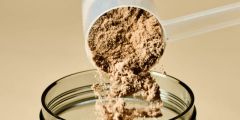
Apr 26th, 2026 - Key Points If there are no dietary restrictions or allergies, the recommended protein powders to add are whey, casein, and soy. Dietitians caution against pre-made shakes with nut butter and coconut oil. These are high in calories and may make it harder to lose weight. I T'S PROTEIN-MANIA IN the grocery aisles. Every food company lately seems to be jumping onto the protein-maxxing bandwagon, even some that have no business being a protein product (protein Doritos and protein Pop Tarts, ... [Read More]
Source: menshealth.com
A nutritionist eats 100 grams of protein a day. This simple snacking formula helps him hit his goal.

Apr 24th, 2026 - can feel daunting, especially if you're busy and don't enjoy cooking. , a nutritionist who works out five times a week, has a no-cook formula for creating tasty snacks that help him hit his goal. The author of three cookbooks, Hobson learned how to put flavors together while working in upscale restaurants for 10 years. He shared the simple snacks he puts together in minutes to reach his protein goal. Greek yogurt with cocoa powder, honey, and cherries on top is one of Hobson's favorite no-cook ... [Read More]
Source: insider.com

Apr 23rd, 2026 - You can now listen to Fox News articles! "Drinking your calories" is typically discouraged where weight loss is concerned, as sweeteners in soda, coffees and other beverages are known obesity drivers. A new review by researchers at the University of Colorado Anschutz suggests that fructose alone may drive metabolic disease via sugar consumption. The study, published in Nature Metabolism, took a closer look at the role of certain sweeteners, like table sugar and high-fructose corn syrup, in ... [Read More]
Source: foxnews.com
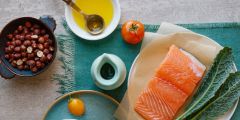
Apr 23rd, 2026 - More than 37 million Americans are living with type 2 diabetes, and heart disease continues to be a major threat to long-term health in this group. That makes everyday dietary choices especially consequential. A new systematic review and meta-analysis 1 adds to growing evidence that Mediterranean-style eating may help reduce that risk. Here's what you need to know. About the study Researchers synthesized data from 57 prospective observational studies to examine how different dietary patterns ... [Read More]
Source: mindbodygreen.com